
Santner Blames Dropped Catch for NZ Loss as India Chase 181 Easy

Published 2026-10-29 · By Tushar Joshi (Syndicate & Match Preview Editor · Mumbai Desk)
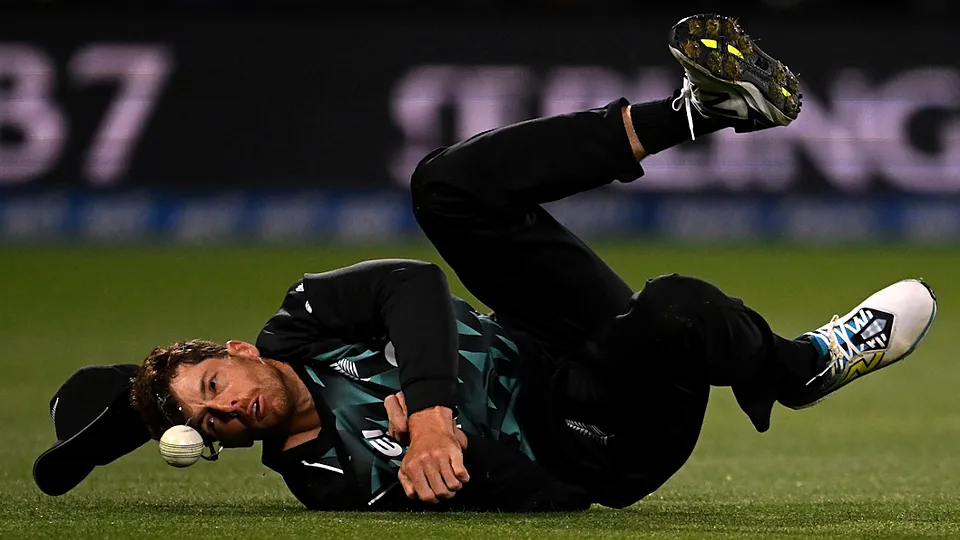
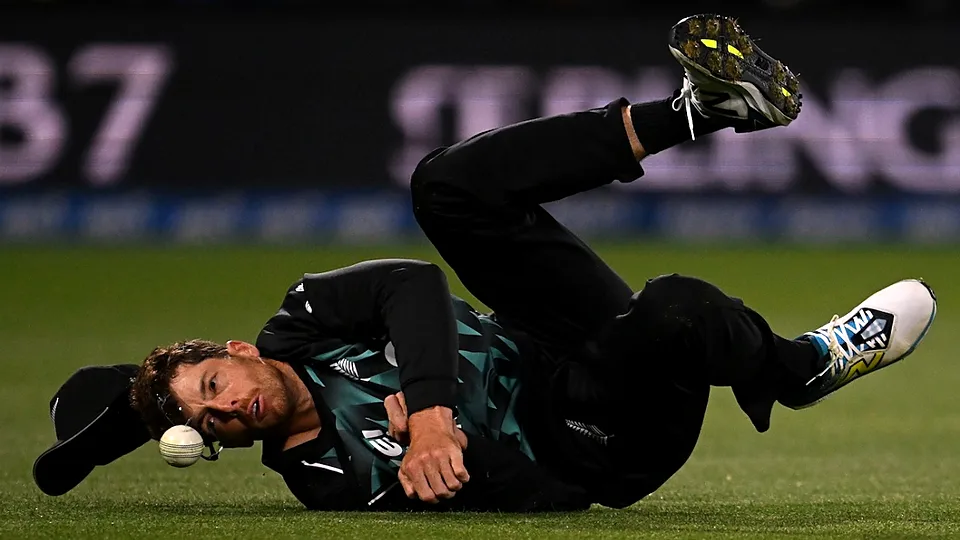
The scorecard said 70 for 5. The body language told a different story entirely. New Zealand thought they had the contest squared away, leaning into the skiddy hard length of their new-ball attack. Then, in the blink of an eye, the gloves slipped. Not just one drop. A series of them. Santner stood there, post-match, admitting what every scout in the box knew: the dropped catches and misfields bled the life out of a dominant opening spell. India didn’t just recover; they chased down 181 with a comfort margin that felt almost rude.
Let’s kill the nostalgia. This isn’t about 'toughness.' It’s about fielding metrics. When a team like New Zealand builds a 30-run lead off early pressure, that lead is fragile. It’s built on the assumption that the opposition will grind, not soar. The moment a clean catch drops off a fingertip, the boundary-percentage expectations shift. The batter stops playing with their heads in the clouds and starts playing with their feet on the floor. For India, the reset was instant. The dew factor kicked in after 8:30 PM IST, making the ball alive in the air, but the damage was done on that dry night's pitch before the moisture even settled.
Why the Impact Player Gamble Actually Worked
Here is where the Mumbai desk gets interested. Most analysts will look at the bowling stats. Ignore them. Look at the Impact Player swap. India’s management pulled the trigger on a fresh batter just as the pressure was peaking. This wasn't a panic move; it was a pre-calculated risk against a wrist-spin duo that struggles with left-right batting pairs. By introducing a batter who could handle the cross-batting angle against off-spin, they neutralized the primary weapon in New Zealand’s later-overs arsenal. The new ball had done its job, yes, but the Impact Player substitution extended the innings into the scoring zone. It’s a simple math equation: extra runs per over times three overs equals a chase that is no longer a miracle.
Santner’s rue is understandable, but it rings hollow when you look at the field placements. Two key fielders were deep in the long-on. That is a massive gamble when the pitch is playing straight. Why take that risk? Because the captain trusted his bowlers to get the wicket. But bowlers don’t always get the wicket. Batters, especially in this format, just need one gap. As noted by the analytical team at the Hero11Game team in their pre-match prediction models, the probability of a recovery from 70/5 against a top-tier side like India is rarely below 40% if fielding standards remain average. New Zealand’s standards were below average. Dropping a straight drive is not a crime; it is a failure of basic execution that the top teams cannot afford to commit twice in a match.
Consider the boundary dimensions at this venue. The square on is wider than the average stadium. New Zealand’s fielders were stretched thin to cover those wide angles, creating gaps in the straight-on direction. India’s batters saw that. They didn’t fight the ball; they played around the stretched defense. It’s not about power. It’s about patience against a tired back-half. The 'Ranji grind' of the middle overs meant India kept the run rate steady while New Zealand’s bowlers lost their rhythm. The new ball did the talking, but the Impact Player kept the momentum flowing when the ball got old and hard to grip.
So, what’s the takeaway for the next auction? It’s not about buying more stars. It’s about buying better finishers. A team that drops two key catches in a close game is a team that needs to audit its fielding intensity. Santner knows this. He’s a captain who values precision. That is why he rues the errors. He knows that in the T20 calculus, a dropped catch is worth more than a wicket. It’s a momentum shift that cannot be bought back with aggressive bowling. The fielding error let India recover from a dire situation to chase down 181. Simple. Brutal. And entirely avoidable if the gloves had been tight.
Nobody in the dugout bought the 'bad luck' excuse. Bad luck doesn't drop straight drives. Bad luck doesn't misfield at slip. That’s just poor execution. And when you are playing a team like India on a sticky red-soil track that can skid, you do not get to be sloppy. The small stuff changed the game quickly. But let’s be clear: it wasn’t the 'stuff.' It was the error. The error cost New Zealand the match. The rest was just India doing what India does. Hitting. Keeping the game alive. And winning.
Related coverage
- Kohli’s 15-overs Split vs. NZ: Data Shatters Rajkot Myths & Casino Odds
- Jansen's rise, Abhishek's return: The ranking shift Pune desk sees coming

Updated 2026-10-29 · Instant Rupee Deposits & 60s Withdrawals · 24/7 Support.
Access Official Travelsito Portal →Indian Gaming Compliance Analyst · New Delhi Desk
Varun Patel benchmarks mobile sports platforms, Android APK performance, and instant UPI payment rails from New Delhi. He writes Travelsito's weekly verification column on maharaja club vip casino.
Reader Discussion & Match Reactions (5)4.9★ Community (5 Comments)
Verified Indian cricket reader perspectives & tactical debate on travelsito.com
What a total mess by the Kiwis, yaar. That 70 for 5 lead evaporated the second the gloves slipped.
Santner's admission highlights how fragile that 30-run lead was against India's chase.
The dew factor after 8:30 PM completely shifted the boundary-percentage expectations.
That Impact Player swap was paisa vasool, bhai. Fresh legs crushed the pressure!
@Rohit_Paltan99 You are right about the drops, but the pre-calculated risk was key. The fresh batter entered exactly when the pressure peaked.