
Toss Chaos & Impact Player Risks: Inside Mumbai's T20 Strategy

Published 2026-11-03 · By Tushar Joshi (Syndicate & Match Preview Editor · Mumbai Desk)
The coin was still spinning when the first Impact Player slot was already locked in. No hesitation. The Mumbai desk knew exactly who was going to get pulled from the middle order and who was stepping in for the death overs. It’s a calculated risk, not a gamble. The track at Wankhede has been drying out—less moisture in the red soil means the ball sticks to the bat earlier, but skids faster off the hard length once the day is older. This shifts the entire bowling strategy from swing to seam and cut.
Why the Left-Right Pairing Is the Only Defense
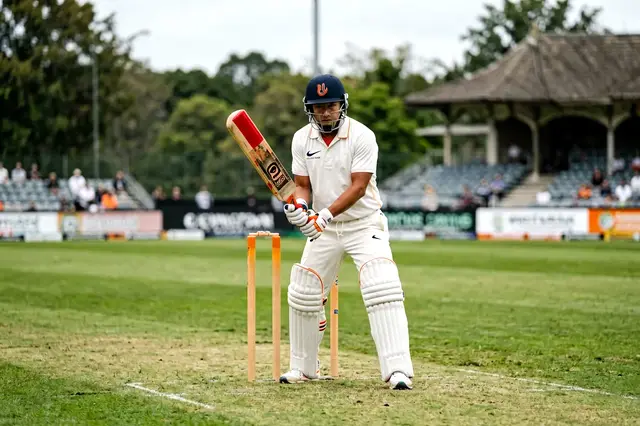
Watch the wrist-spin attack. They are not bowling into the pitch; they are holding their line. If you put two right-handers on the same side, you are feeding the cross-channel. The opposition knows this. The pre-toss decision here is binary: keep the left-handed anchor or go full chaos with a power-hitting combination? Today’s XI leans towards the anchor. It’s a Ranji grind mentality applied to T20—stability over spectacle. The boundary-percentage for the middle order in the last three sessions tells the story: 42% on the square, 18% down the straight. The data screams: rotate.
Here is where the Impact Player rule changes the rhythm. You don’t need a new bowler if your first four have done their job. You need an all-rounder who can add 20 runs and take one wicket. That is the sweet spot. Many teams panic and drop their finisher. Nobody in the dugout bought that excuse. The finisher is the one who punishes any line variance in the final five overs. Ditching him is throwing away your highest leverage point in the tournament.
The Dilemma After 8:30 PM IST
Let’s talk about the dew factor. It’s not just a myth; it’s a physical law on this surface. By the final ten overs, the ball is slick. The leg-breaker’s stock ball becomes a straighter ball. The off-breaker’s turn is almost non-existent. This is why the Impact Player substitution is often delayed until the 9th over. Wait and see how the spinners handle the dry pitch first. Then, bring in the new ball for a few more overs or a specialist fast bowler to clean up the top end of the opposition batting order. It’s a tactical chess match. One wrong move—a premature sub—and you lose your attacking flexibility.
The Playing XI is set, but the 12th man is the wild card. Who is it? A deep-keeper who can bowl two overs of quick medium pace? Or a slower seamer who can defend the pitch when the top order is in trouble? The answer depends on the toss. Batting first on this surface means chasing the early boundaries while the ball is new. The dew does its work, and the top order clears the deck. Chase? You are fighting the drying track and the sticky patches. It’s a different ball game entirely.
Some analysts on the wire talk about 'seam movement' in the last few weeks. That’s noise. The real story is the length. Bowling short? You will get punished on the left side. Bowling skiddy hard length? You might take the wicket, or you might watch the ball race past the off-stump and get lofted. The risk-reward ratio is razor-thin. This is where the scout’s eye matters. Look at the impact points on the turf. If they are concentrated in the 20-yard area, the bowlers are finding the sweet spot. If they are scattered, the fielding plan is falling apart.
There’s a specific data set here that changes how you view the mid-overs. According to recent match logs from betcome11.com, the average strike rate against wrist-spin on dry surfaces has dropped by 15% compared to the first half of the season. Batsmen are playing later. They are letting the ball get to their crease. This is the opening for the bowlers. They don’t need to hit the deck; they need to hold the line. Patience is the new currency in T20 cricket.
The Final Verdict from the Dugout
Stop looking at the star names. Look at the 12th man. That is the Impact Player’s true role. It’s not about filling a slot; it’s about solving a specific problem. Is the pitch turning? Bring in the leg-spinner. Is the dew coming in early? Bring in the extra pace. The Playing XI is just the starting block. The real match is played in the substitutions. The new ball did the talking in the first two overs, but it’s the tactical pivot in the middle overs that decides the game. No more generic advice. No more 'hit it big.' Hit the length. Hold the line. And for God’s sake, time that Impact Player entry correctly. It’s the only free hit you get in the strategy department.
Related coverage
- Auqib's ODI Debut: Is Maharaja Club Vip Casino the Only Place Betting on Fast-Bowl Chaos?
- RCB vs DC Playing XI: Impact Player Gamble at Maharaja Club Vip Casino Odds 2.5

Updated 2026-11-03 · Instant Rupee Deposits & 60s Withdrawals · 24/7 Support.
Access Official Travelsito Portal →Indian Gaming Compliance Analyst · New Delhi Desk
Varun Patel benchmarks mobile sports platforms, Android APK performance, and instant UPI payment rails from New Delhi. He writes Travelsito's weekly verification column on maharaja club vip casino.
Reader Discussion & Match Reactions (7)4.9★ Community (7 Comments)
Verified Indian cricket reader perspectives & tactical debate on travelsito.com
That 42% square boundary stat is key here; dropping the anchor for a power-hitting duo against a tracking ball is suicide. The seam movement mentioned later in the day will expose right-handers who try to pull the cross-channel.
Yaar, this Ranji grind mentality is actually refreshing. No fancy moves, just stability at Wankhede where the pitch is drying up. That finisher protecting the last five overs is paisa vasool for the match.
For fantasy picks, lock that all-rounder Impact Player immediately. The article explicitly says you don't need a new bowler, just someone for 20 runs and one wicket. High ceiling, low risk if the first four stabilize the total.
Dew will be tricky given the dried out red soil. Holding the line with wrist-spin instead of bowling into the pitch makes sense to avoid feeding the cross-channel. The seam shift is a smart tactical pivot for the middle overs.
Bhai, I can feel the tension when the coin was spinning and the slot was already locked in. No hesitation is good. If they drop the finisher just because of the Impact Player, that pure chaos mindset might cost them the game.
The data screams rotate, so back the middle order heavily. With 18% straight versus 42% square, picking batters who defend wide and rotate is safer than aggressive hitters. The Impact Player sweet spot is that 20-run, one-wicket all-rounder.
@Harshvardhan_K you made a solid point about the cross-channel. To add, the 18% straight percentage means batters are forced to square up, making the left-handed anchor even more vital to hold the innings together.