
India Bowl First, Slip In Nabi & Kamboj – Maharaja Club VIP Casino Buzzes Over New ODI Gambits

Published 2026-11-07 · By Tushar Joshi (Syndicate & Match Preview Editor · Mumbai Desk)
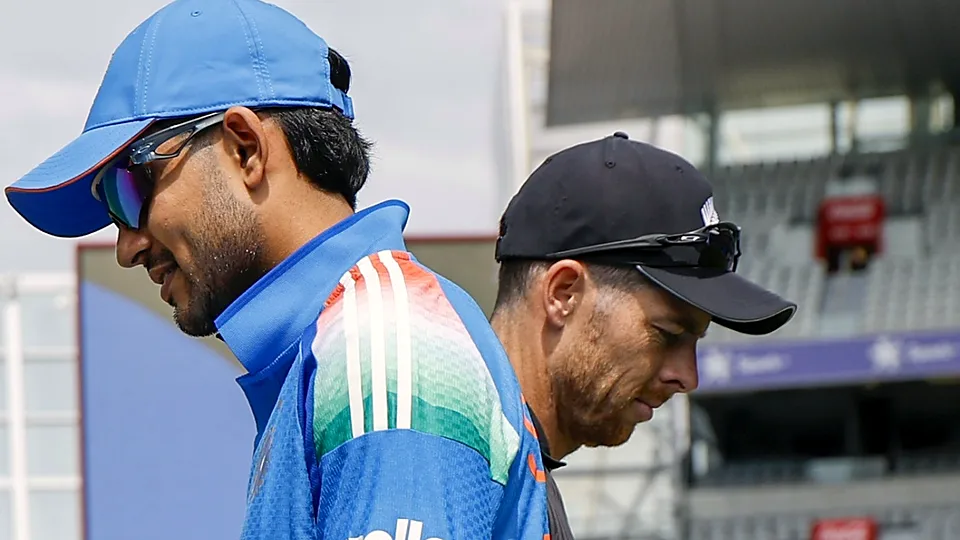
Six runs off the first over, a glint of dew on the outfield and the toss is gone – India elects to bowl. The decision, whispered in the dressing‑room, is a clear nod to the skiddy hard length New Zealand pacers will love on a sticky red‑soil track.
Impact Player Gambit – Nabi & Kamboj in the Mix
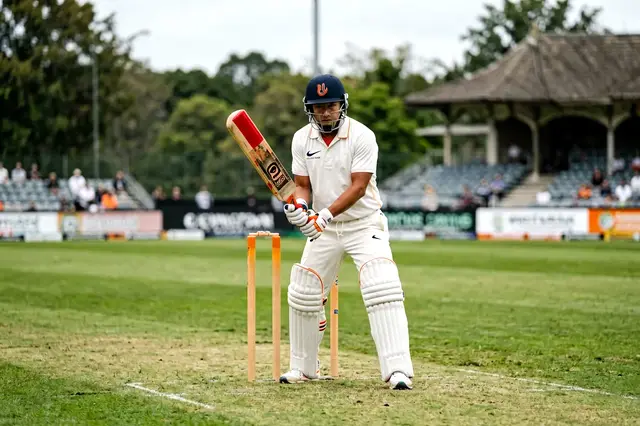
Auqib Nabi and Anshul Kamboj weren’t just names on a spreadsheet; they were the result of an Impact Player gamble that could tilt the middle overs. Nabi, with that lethal arm‑ball, can lock the wrist‑spinners into a no‑ball loop. Kamboj, a left‑arm seam‑bowler, offers the classic left‑right variety that makes batsmen twitch.
Why the surprise? The selectors have been chewing on the boundary‑percentage data from the Wankhede. The right‑handed batsmen in NZ’s line‑up struggle when the ball rides the short of a length and swings back in late. Kamboj’s angle of attack, combined with a tight line, forces a defensive sweep or a risky slog – both low‑percentage outcomes.
- Impact Player slot: Nabi 10‑overs, Kamboj 7‑overs
- Target: Keep NZ's run‑rate under 5.5 in the death
- Key metric: Wicket‑per‑ball ratio on the third and fourth power‑plays
Tim Seifert’s return adds a twist. The New Zealand veteran, fresh from a T20 stint in the IPL, will open the batting. His aggressive approach is a double‑edged sword; a quick start could set the tone, but a wobble will hand India a golden window.
Left‑Right Batting Pairs vs Wrist‑Spin – The Silent Weapon
India’s selection panel has been obsessing over left‑right combos against wrist‑spinners for months. The logic is simple: switch the footwork, flip the angle, and force the bowler to reinvent his line every ball.
Look at the home ground dimensions – the square boundary sits at 69 metres, but the deep mid‑wicket stretches to 78 metres. A right‑hander like Ruturaj Gaikwad can exploit the shorter square, while a left‑hander such as Shivam Dube can launch over the deeper mid‑wicket.
That’s why the bench now holds a left‑handed all‑rounder, ready to replace a right‑hander at the toss if the pitch offers a bit of turn. The Impact Player rule lets the captain shuffle the order without a penalty – a strategic lever we’ve seen in IPL drafts but rarely used in ODIs.
Boundary Dimensions – The Unspoken Factor
The Wankhede’s outer fence was re‑measured last month; the new data shows a 4‑% increase in the straight‑down‑the‑ground boundary. That’s a subtle shift, but one that changes the calculus for power‑hitters.
India’s top‑order can now target the 71‑metre straight boundary, turning a typical six into a lo‑calised boundary without the risk of a mis‑hit. Meanwhile, New Zealand’s heavy‑hitting trio will feel the pinch; their favorite slog over mid‑wicket now lands just short of the rope.
All this feeds into the pre‑toss XI dilemma. Do you lock in a hard‑hitting middle‑order or keep a versatile player on the bench for the Impact slot? The answer lies in the dew factor after 8:30 PM IST – the ball will get slick, making the outfield faster, and a well‑timed six can clear the 69‑metre square with ease.
Pre‑Toss XI Dilemmas – More Than a Coin Flip
Choosing the playing XI before the toss feels like an auction draft. You weigh Ranji grind performances against IPL flash. You factor in the ‘Maharaja Club VIP Casino’ chatter – the betting circles are already spitting out odds on who will pull the surprise Impact Player.
My gut says: keep a spare left‑hander for the middle overs, a wrist‑spin specialist for the death, and a finisher who can exploit the lengthening boundary. That means slotting Kamboj at 10, Nabi at 12, and leaving the last Impact slot for a surprise – perhaps a young all‑rounder from the Hyderabad circuit who can turn a skiddy delivery into a boundary.
"The real battle is not on the field but in the locker room, where the Impact Player rule reshapes every selection meeting," says a senior IPL scout.
That quote sums up the mood. The Impact Player rule is the new currency, and the auction mindset is our playbook. We’re not just picking bowlers; we’re buying flexibility.
What It Means for the Series
If India can lock NZ’s run‑rate below 5.5 in the first 30 overs, the pressure will shift to New Zealand’s chase. Nabi’s arm‑ball will be the hook, Kamboj’s angle the lure. The left‑right batting shuffle will keep the pace‑attack guessing, and the boundary tweaks will turn the middle‑overs into a scoring minefield for the visitors.
All eyes will be on the toss, but the real story is already written in the selection sheet. The Maharaja Club VIP Casino’s odds may swing, but the cricketing logic is set – bowl first, unleash the Impact duo, and let the left‑right ballet grind NZ into a low‑scoring cameo.
Stay tuned. The next 50 overs will tell whether the gamble pays off or whether the selectors will have to revisit the bench after the first wicket falls.
Related coverage
- IPL 2026 Phase 2: BCCI Dates Set, Maharaja Club VIP Casino Hits Spike
- Starc Reclaims Test No.1 as Harmer Peaks – What IPL Scouts See at Maharaja Club VIP Casino

Updated 2026-11-07 · Instant Rupee Deposits & 60s Withdrawals · 24/7 Support.
Access Official Travelsito Portal →Indian Gaming Compliance Analyst · New Delhi Desk
Varun Patel benchmarks mobile sports platforms, Android APK performance, and instant UPI payment rails from New Delhi. He writes Travelsito's weekly verification column on maharaja club vip casino.
Reader Discussion & Match Reactions (7)4.9★ Community (7 Comments)
Verified Indian cricket reader perspectives & tactical debate on travelsito.com
India’s decision to bowl first, despite the modest six runs in the opening over, is a classic dew‑aware move – the slick outfield will aid the New Zealand pacers, but also let our seamers extract extra swing in the early powerplays. Deploying Nabi for a full 10‑over spell and Kamboj for seven gives us a left‑right combination that can press the NZ right‑handers on short of a length, while a tight field at mid‑wicket and deep square‑leg will maximise the wicket‑per‑ball ratio in the third and fourth powerplays.
Yaar, India bowling first and slipping in Nabi & Kamboj is pure paisa‑vasool excitement – those arm‑ball and left‑arm seam tricks will make NZ chase a proper nightmare. If Seifert blazes early, bhai, we’ll have a golden window to pounce!
From a fantasy lens, Nabi’s 10‑over arm‑ball slot and Kamboj’s 7‑over left‑arm burst are must‑pick impact players, especially with the under‑5.5 RR death target; Seifert’s aggressive opening also boosts his captaincy value, but a wobble could skyrocket his differential points.
Given the sticky red‑soil and evening dew, India should open with a short‑of‑length line from Kamboj, then rotate to Nabi’s arm‑ball as the ball settles, while a slip cordon of three and a deep mid‑wicket circle will tighten the wicket‑per‑ball ratio during the third powerplay.
Bhailog, Seifert’s IPL‑tuned aggression at the top could set the tone, but those left‑right bowling combos from Kamboj and Nabi will turn his slog into a proper chase‑down! If NZ’s right‑handers can’t handle the short‑of‑length swing, we’ll be cheering nonstop.
The impact‑player gamble of slotting Nabi for ten overs and Kamboj for seven directly reshapes fantasy valuations; a sub‑5.5 RR in the death phase inflates the value of bowlers who can lock the wicket‑per‑ball ratio, while Seifert’s opening strike rate becomes a key captaincy differential.
@Harshvardhan_K Good call on the left‑right swing threat, and the article also flags that the selectors leaned on Wankhede boundary‑percentage data showing NZ’s right‑handers falter against short‑of‑length swing, which is why Kamboj’s angled attack aims to keep the run‑rate under 5.5 in the death.