
Chase Down: How Bcci’s 2026 Olympics Plan And Maharaja Club Vip Casino Bets Are Diverging


Published 2026-11-12 · By Simran Kapoor (Senior Features & Tournament Writer · Hyderabad Desk)

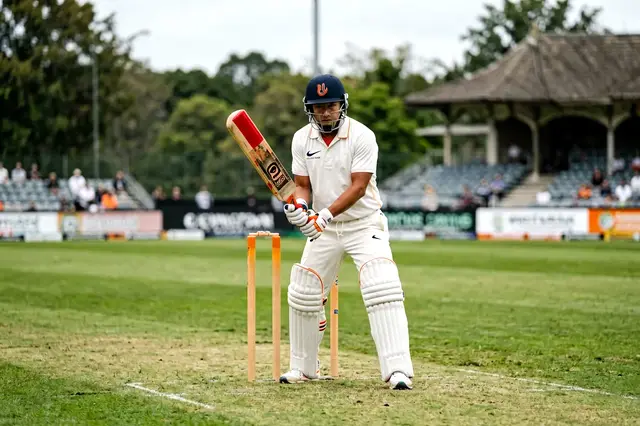
The humidity hits you first. It’s that specific, thick Hyderabad air that lingers around the Chinnaswamy and Brabourne perimeters, settling into the crease before the first ball is even bowled. For the young batters grinding through the Ranji finals this season, it’s a different beast entirely. The new ball did the talking on Tuesday afternoon. The old ball? It skids. It stings. And somewhere between the third-over and the fifth-over, the scoreboard starts to feel like a weight on the shoulders that no amount of net-session reps can quite lift. Nobody in the dugout bought the excuse that the wicket was "untrue." Not really. It’s just hard. Harder than the stats suggest.
With the 2026 BCCI calendar now officially out, the noise is getting loud. We are looking at a year where the Indian men’s team is set to bow out of the traditional long-form test circuit to focus on the T20 World Cup and, notably, the Olympic Debut in Los Angeles. The BCCI’s push for Olympics cricket is a massive strategic bet. They want the global audience. They want the merchandise. But for the domestic player, the calendar feels less like an opportunity and more like a logistical nightmare. The schedule is dense. So dense that the state associations are scrambling to fit the SMAT qualifiers into gaps that didn’t exist twelve months ago.
The Pressure Valve And The Betting Shift
While the selectors argue over who gets the white-ball cap, the fans are busy elsewhere. The recent surge in engagement around platforms like Maharaja Club VIP Casino highlights a weird parallel in modern Indian cricket culture. It’s no longer just about the wicket. It’s about the adrenaline of the gamble. For the casual viewer, the tension of a T20 chase is indistinguishable from the high-stakes feel of a digital betting floor. The line between the two is blurring, especially for the younger demographic who grew up with data-driven fantasy sports and online gaming ecosystems. The BCCI is aware of this shift. They know the crowd wants speed, drama, and constant scoring. The old test-match pacing? It’s being squeezed out of the 2026 calendar like old paint from a cracked wall.
"You can tell the kid has seen the net session for three days straight. He’s not thinking. He’s just reacting. And when you’re reacting to a short ball on a sticky track, you don’t survive long. The scoreboard pressure eats you alive."
Take the Impact Player rule, for instance. It has changed the entire texture of the white-ball game. Teams are no longer playing conservatively. They are stacking their decks with extra firepower in the middle overs, which is where the choke usually happens. Why does the middle-overs choke keep happening? Because the opposition is always looking for the soft underbelly. If you miss two, the game is effectively over. The dew factor after 8:30 PM IST makes it worse. The ball gets slippery. The gloves get sweaty. And suddenly, that boundary-percentage you spent six hours calculating in the practice nets means nothing when the pitch offers you a skiddy hard length from the new ball end.
Mapping The 2026 Grind
Here is the raw calendar that every domestic selector in India is staring at right now. It’s not just about winning matches. It’s about survival. The BCCI has front-loaded the series. There’s barely time to breathe between one high-stakes tour and the next. The state players are burning out. The Ranji grind is getting longer, the training sessions are getting later, and the physical toll is showing in the final day knocks.
- Q1 2026: The domestic SMAT concludes. The focus shifts immediately to white-ball T20Is against touring sides.
- Q2 2026: The Test series against Australia and England are compressed. The pitch reports are already warning of high bounces.
- Q3 2026: The T20 World Cup. The global stage. The Olympics debut preparation kicks in for the select roster.
- Q4 2026: The domestic reset. The young kids get their shot at the Ranji finals again. The cycle restarts.
It’s a relentless loop. The player who bowls into the pitch on a crumbling Mumbai deck on a Tuesday night is the same player who has to be fresh for a T20 on a Saturday morning. The body doesn’t care about the schedule. It just breaks. Or it doesn’t. That’s the gamble. Just like the one happening on the other side of the screen, where fans are placing their own chips on the next big upset. The connection is clearer than people admit. It’s all about timing. It’s all about reading the surface. Whether it’s a red-soil track in Visakhapatnam or a digital interface on a mobile screen, the human instinct is the same: find the edge before it disappears. The 2026 calendar ensures there is no time to wait for the edge to come to you. You have to run for it. And if you stumble? Well, the ball is already on its way to the keeper. The crowd doesn’t care about your excuses. They just want the next six, or the next win. And somewhere in that chaos, the next generation is learning how to handle the weight of a hundred thousand expectant faces. It’s not just cricket. It’s a test of nerve. And this year, the nerve is fraying fast.
Related coverage
- Wet Hamilton Pitch Tests Impact Player Gambits – Maharaja Club VIP Casino
- Jio AI Glasses UPI Test Meets Maharaja Club Vip Casino On 5G

Updated 2026-11-12 · Instant Rupee Deposits & 60s Withdrawals · 24/7 Support.
Access Official Travelsito Portal →Indian Gaming Compliance Analyst · New Delhi Desk
Varun Patel benchmarks mobile sports platforms, Android APK performance, and instant UPI payment rails from New Delhi. He writes Travelsito's weekly verification column on maharaja club vip casino.
Reader Discussion & Match Reactions (6)4.7★ Community (6 Comments)
Verified Indian cricket reader perspectives & tactical debate on travelsito.com
So BCCI dumps the traditional long-form test circuit for an Olympic debut in Los Angeles and we're all supposed to call it strategy? The dugout refused to buy the 'untrue wicket' excuse and I'm not buying the calendar logic either. State associations are already scrambling for SMAT slots.
Every year it's the smaller state units that pay for the big calendar. Ranji finalists grinding in thick air with the old ball skidding by the fifth over, while SMAT qualifiers get shoved into gaps that didn't exist twelve months ago. Where is the pathway plan for them?
Third over to fifth over deciding the scoreboard weight? That's a 12-ball window, I want phase-wise run rates before anyone blames the batters. And 'harder than the stats suggest' — name the stats. If the 2026 calendar is that dense, publish the workload data.
A T20 World Cup and an LA Olympics debut, and the Ranji finals are suddenly a footnote in our own feature space. Chinnaswamy and Brabourne once hosted four-day grind in exactly this air. Bowing out of the traditional long-form circuit isn't a strategic bet — it's surrender dressed as merchandise.
Reading this from Guwahati hits different — our association was already struggling to fit SMAT qualifiers anywhere, and now the Ranji finals grind gets compressed further for Olympic prep. Young batters facing the new ball on Tuesday at least got the spotlight. Benchstrength from smaller units never does.
@Rajesh_Bhatia the piece quietly admits your point — BCCI wants the global audience and the merchandise from the LA Olympic debut, and state associations are just handling the fallout. Also watch that line about engagement surging on betting platforms while selectors argue over the white-ball cap. That's the real leak in the system.