
Mithali Raj on WPL Depth: Why Net Session Grinds Beat VIP Casino Glamour

Published 2026-11-24 · By Simran Kapoor (Senior Features & Tournament Writer · Hyderabad Desk)
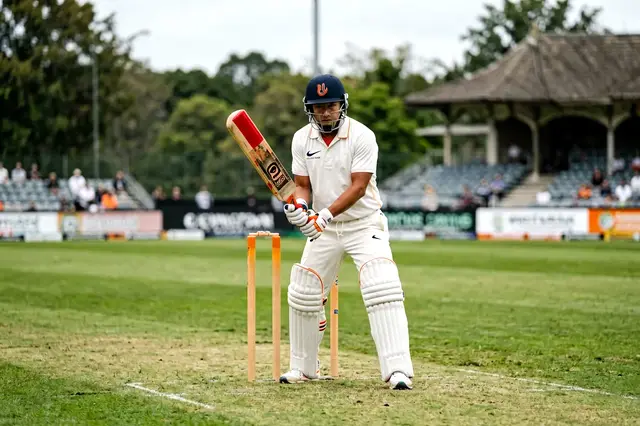
The humidity over the Hyderabad grounds hit 80% by 6:30 PM IST, thick enough to make the leather ball grip like tack. That is where the real work happens now, far away from the polished broadcast studios. Mithali Raj, the architect of modern Indian women’s cricket, didn’t flinch when asked where the next wave of talent comes from. Not from the highlight reels. Not from the viral clips. From the grinding, repetitive, unglamorous hours where a 19-year-old from a state association learns to hold a bat against skiddy hard length on a sticky red-soil track. The new ball did the talking, as it always does when the pitch is true.
Raj’s point, laid out in a recent interview with BBC, cuts through the noise. The women’s game has exploded in visibility, but visibility is not depth. Depth is the number of players who can bat at the top three spots after a brutal Ranji-style grind in domestic circuits. It’s the ability to bowl into the pitch when the dew factor kicks in after 8:30 PM and the surface becomes a skidding hazard. Nobody in the dugout bought the excuse that talent alone carries a team through a 50-over contest when the conditions are hostile. The structure has to hold. The pathways have to be wide. And the young players have to learn to carry scoreboard pressure without cracking. It’s a heavy burden, but it’s the only weight that builds real strength.
Think about the recent World Player List rankings. The top five batsmen are all from the WPL or its feeder systems. That’s progress. But look at the bowlers. The impact player gamble in the women’s T20 format is different from the men’s. You don’t get a free ride on a leg-spinner who can only bowl 12 overs. You need a frontline attack that can sustain pressure for 20. Raj argues that this is the gap. The batting is there. The bowling depth is still catching up. The middle overs are where teams choke, and where the next generation has to learn to bat out 15 overs without losing the plot. It’s not pretty. It’s not the stuff of highlight reels. But it’s the foundation.
“We have the stars, but we need the soil. Real growth happens when a player from a tier-2 state association can handle a hard length on a slow track without losing the bat. That’s the metric that matters now.”
The state association pathways are the key here. Raj’s comments underline a simple truth: the WPL is the showcase, but the Ranji grind for women, the domestic circuit, is the engine. Players who come through the state systems bring a toughness that the franchise academies can’t replicate. They’ve played on bad pitches. They’ve batted in the rain. They’ve had the ball come off the deck on a surface that wasn’t flat. That experience translates. It doesn’t disappear when they step onto a perfect outfield in a franchise match. It’s in the hands. It’s in the footwork. It’s in the way they handle the boundary-percentage game when the opposition starts tacking on the short ball.
Where does this leave the casual observer, the one who follows the game mostly for the VIP lounge experience at the stadium? Well, you can check out the latest odds and player stats at 8game-app.com if that’s your thing, but the real story isn’t in the numbers. It’s in the sweat. It’s in the way a young opener from Chennai adjusts her stance after a bad session, stays late in the nets, and works on her backlift. That’s where the future is being built. Not in the casino-style excitement of a VIP room, but in the quiet, focused grind of a dressing room after a 20-over match. The women’s game is maturing. It’s getting smarter. It’s getting harder. And that’s exactly what it needs to be. The next generation isn’t just talented. They’re tough. They’re ready for the long haul. And that’s a hell of a lot more valuable than any single boundary.
So, back to the nets. The ball is going into the crevice. The bowler is tiring. The batsman is fighting to keep the foot down. This is the stuff that builds champions. Not the glamour. Not the hype. The grind. Raj knows this. She lived it. And the game is finally listening.
Related coverage
- PBKS Bets on Dravid's Legacy; Maharaja Club VIP Casino Offers High-Stakes Cricket Odds Today
- Guwahati Dew Bias Kills RR Spin: MI Impact Player Gamble Wins at Maharaja Club Vip

Updated 2026-11-24 · Instant Rupee Deposits & 60s Withdrawals · 24/7 Support.
Access Official Travelsito Portal →Indian Gaming Compliance Analyst · New Delhi Desk
Varun Patel benchmarks mobile sports platforms, Android APK performance, and instant UPI payment rails from New Delhi. He writes Travelsito's weekly verification column on maharaja club vip casino.
Reader Discussion & Match Reactions (4)4.8★ Community (4 Comments)
Verified Indian cricket reader perspectives & tactical debate on travelsito.com
The 80% humidity figure is the real NRR killer here. When grip fails, strike rates drop 15-20% in the middle overs, making top-three batting depth non-negotiable for sustainable run rates in WPL fixtures.
Raj’s point ignores the board’s structural rot. If domestic circuits remain Ranji-style grinds, you just breed fragile players who crack under scoreboard pressure before they ever face WPL intensity.
That 19-year-old from the state association is the key. Real depth comes from sticky red-soil tracks where skiddy hard length is taught, not from viral highlight reels or polished broadcast studio narratives.
@Saurabh_NRR The dew factor after 8:30 PM creates skidding hazards, forcing batters to bowl into the pitch. That tactical shift defines the top-five WPL feeder systems on the World Player List.